

Climbing training made simple.
A climbing plan built from your grades, your gear and your week. It changes when your life does.
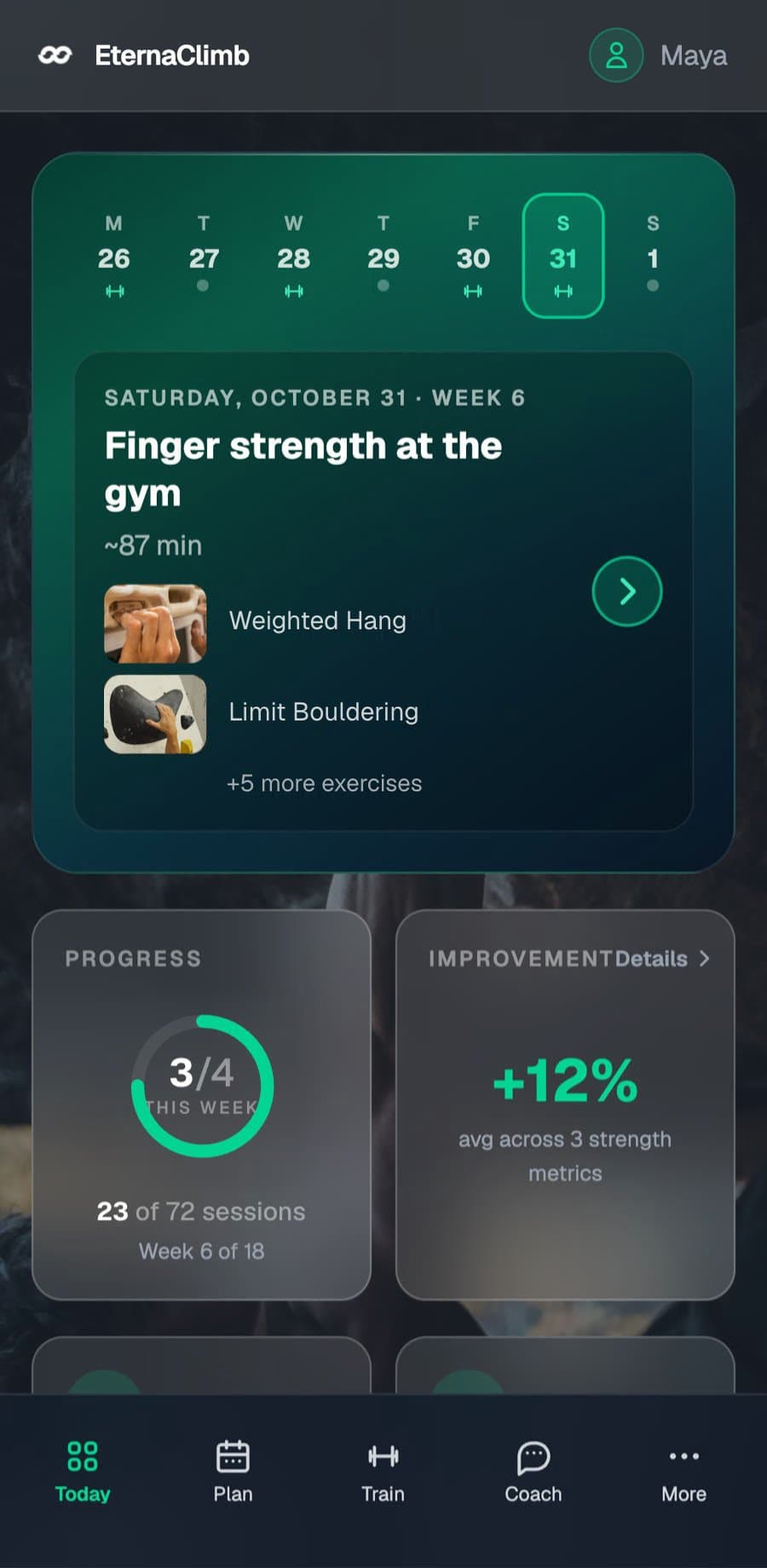
Get the highlights.
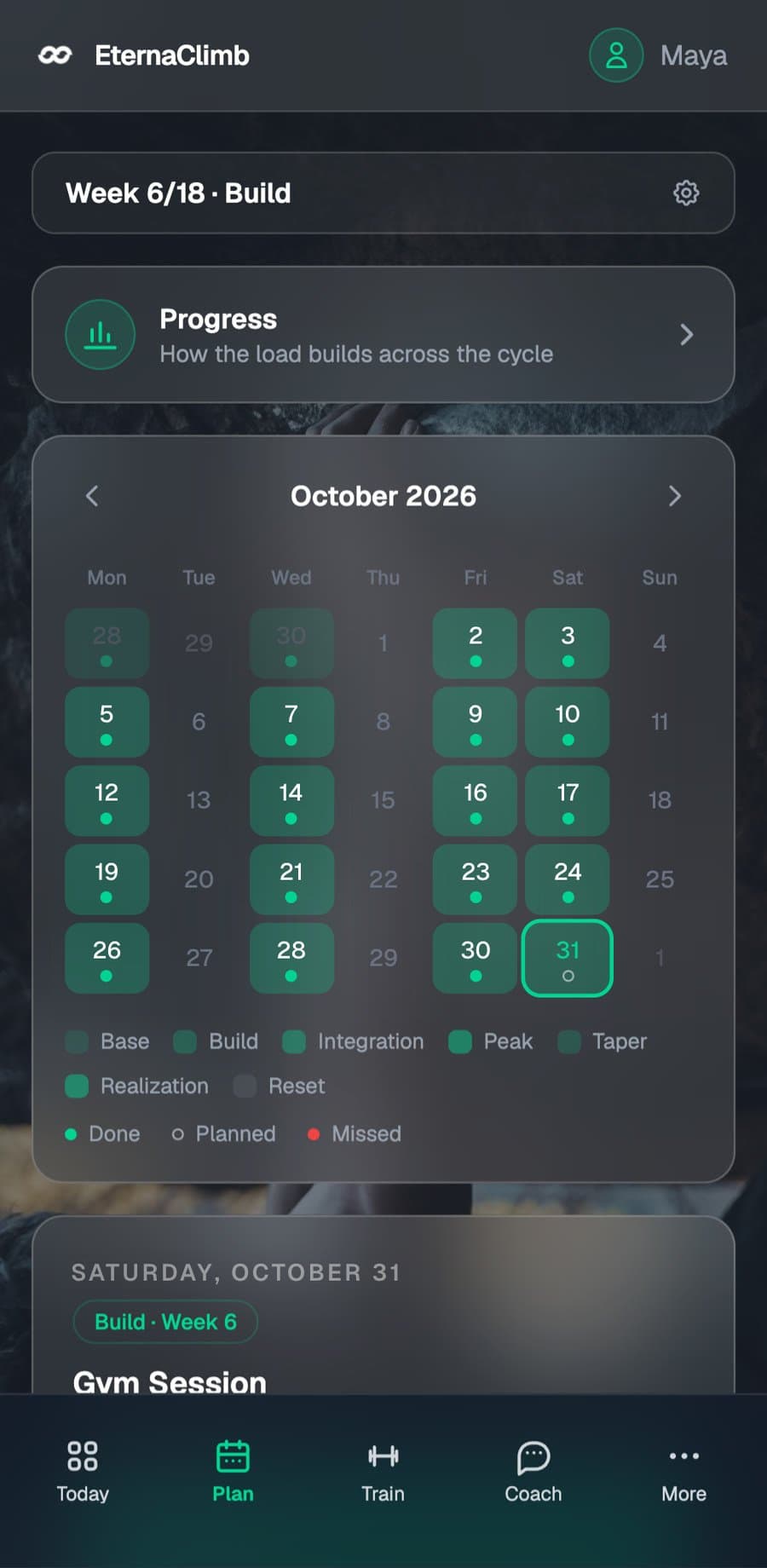
Your week, planned. Every session on the days you train, with the gear you have.
 EternaClimbMaya
 Alex
AlexOnly have 30 minutes today.
Kept the pull-ups, they are the main work today. The core block moves to Monday.
Today30 min
 Joint warm-up5 min
 Pull-ups with band2 x 8
 Power pull-ups4 x 4
 Wrist extensions2 x 12
 Forearm care3 min
A coach in your pocket. Ask anything. Change the plan in one message.
Every move, shown. Short videos: done right, and the mistake to avoid.
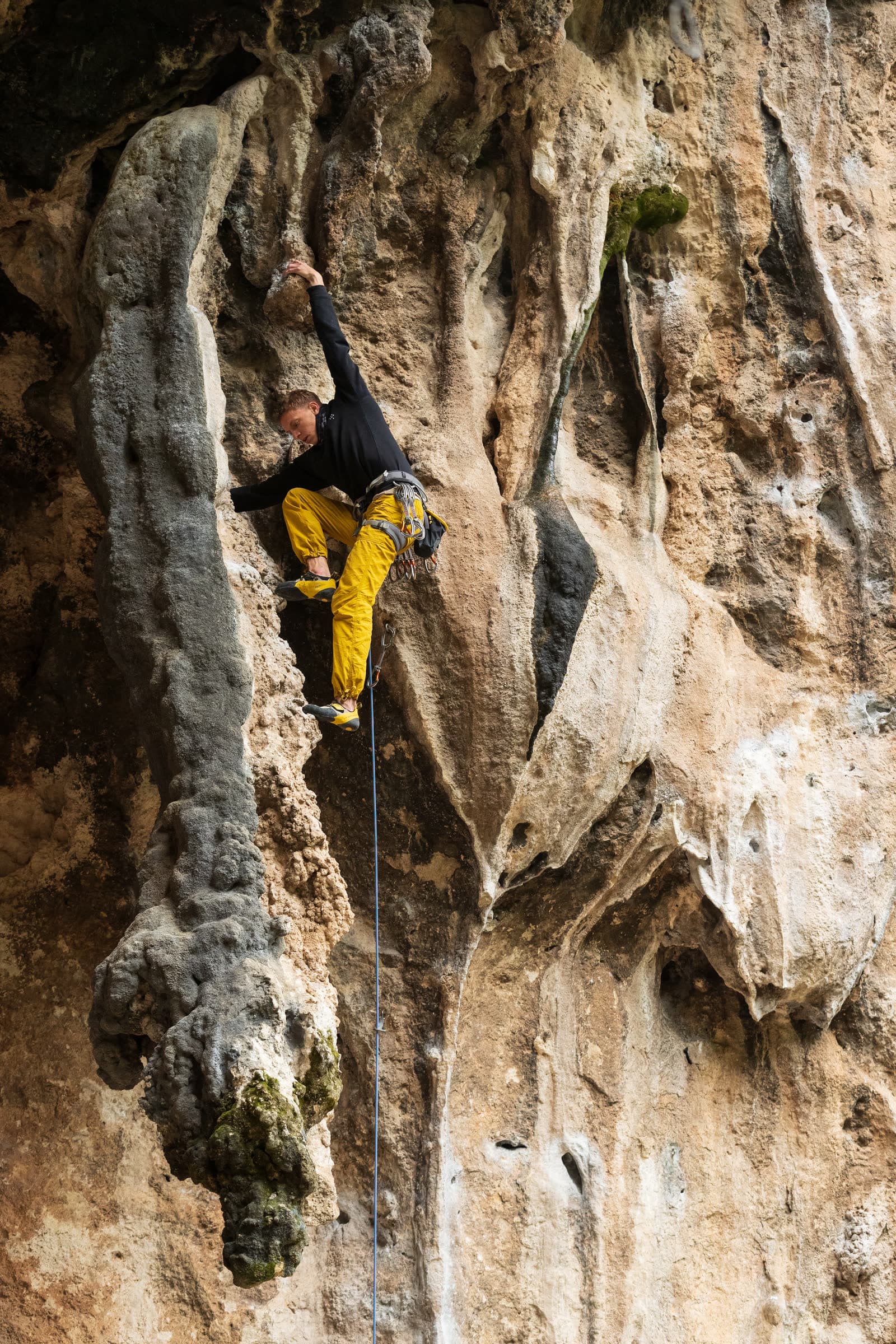
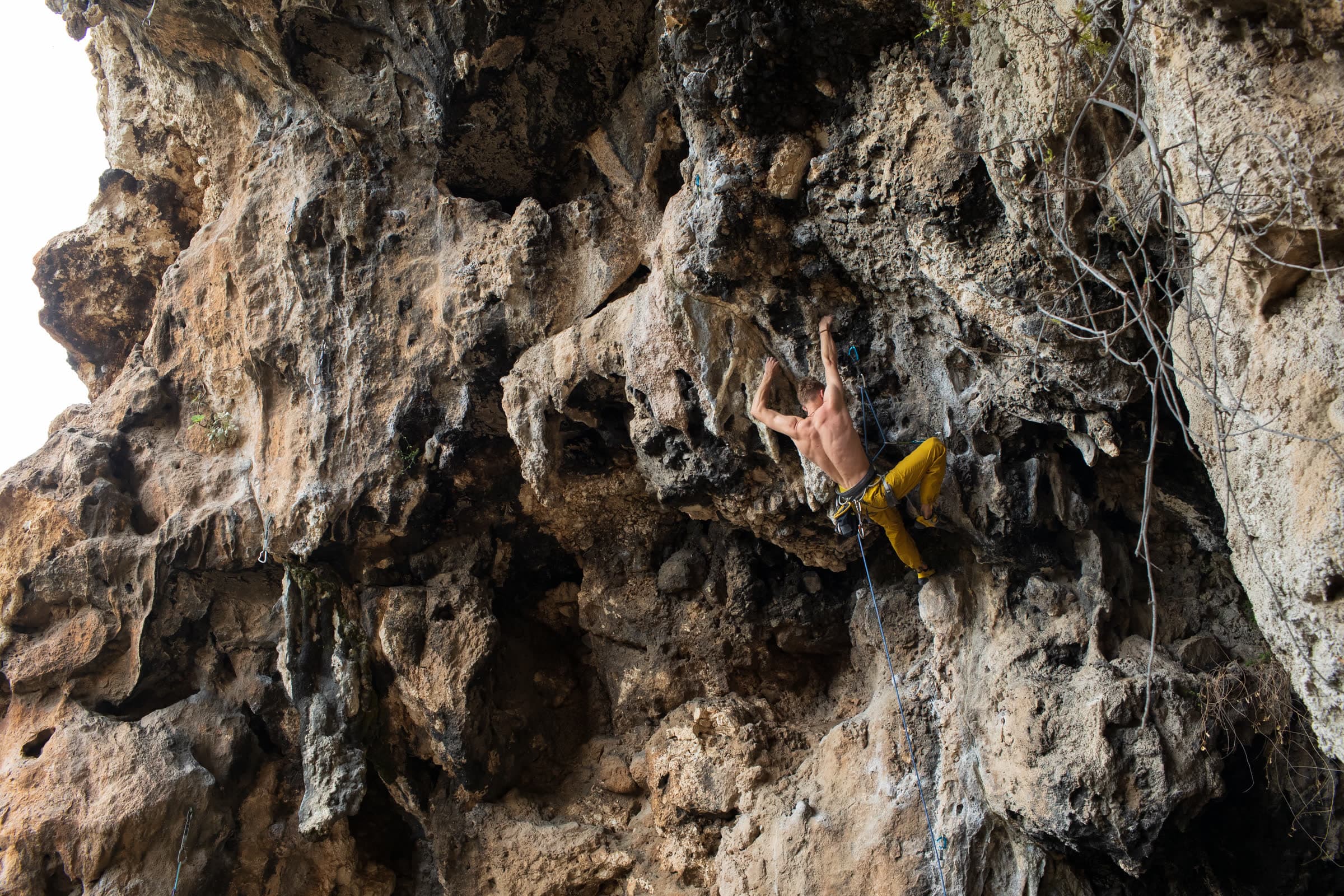
Off to the crag? Pause the plan. Come back to an easier week.
+12%
average across 3 strength tests
Watch yourself get stronger. Tests and loads, week by week.
Your plan
A plan that moves with your life.
Weeks with a clear job, one after another. Holidays, trips and busy months fit in without starting over.
Every week has a job.
First you build a base. Then strength, then power. Then you peak, rest, and the next cycle starts stronger.
18 weeks
One full cycle
Base
Build
Integration
Peak
Taper
Realization
Rest
Built from how you climb
Grades, weak spots, gear, what hurts.
Fits your week
2 to 6 sessions, on your days.
Moves with you
Pause, swap days, set a trip.
Steps up with you
Loads rise as you log sessions.
Who it's for
Climbing as your main sport, or one of many.
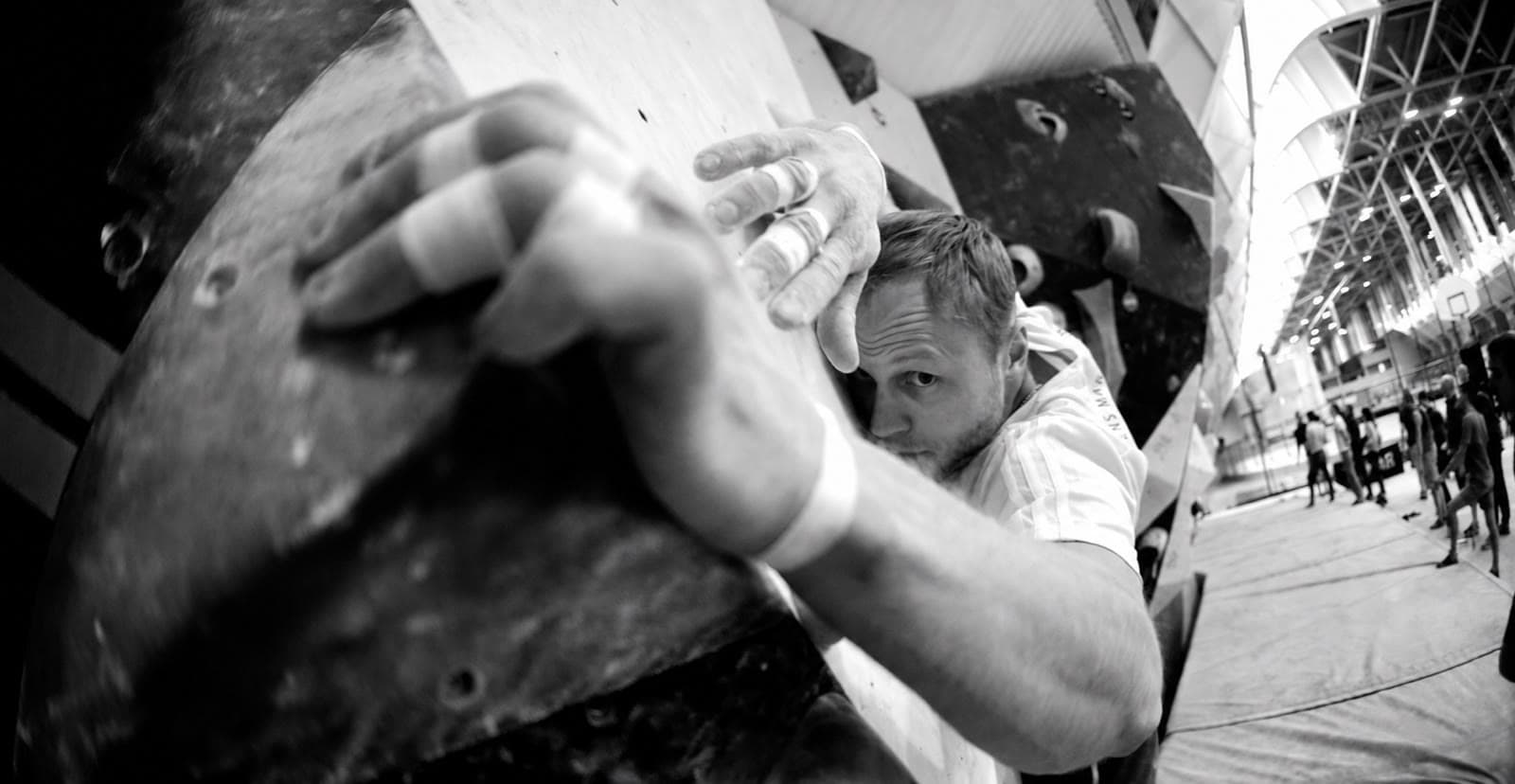
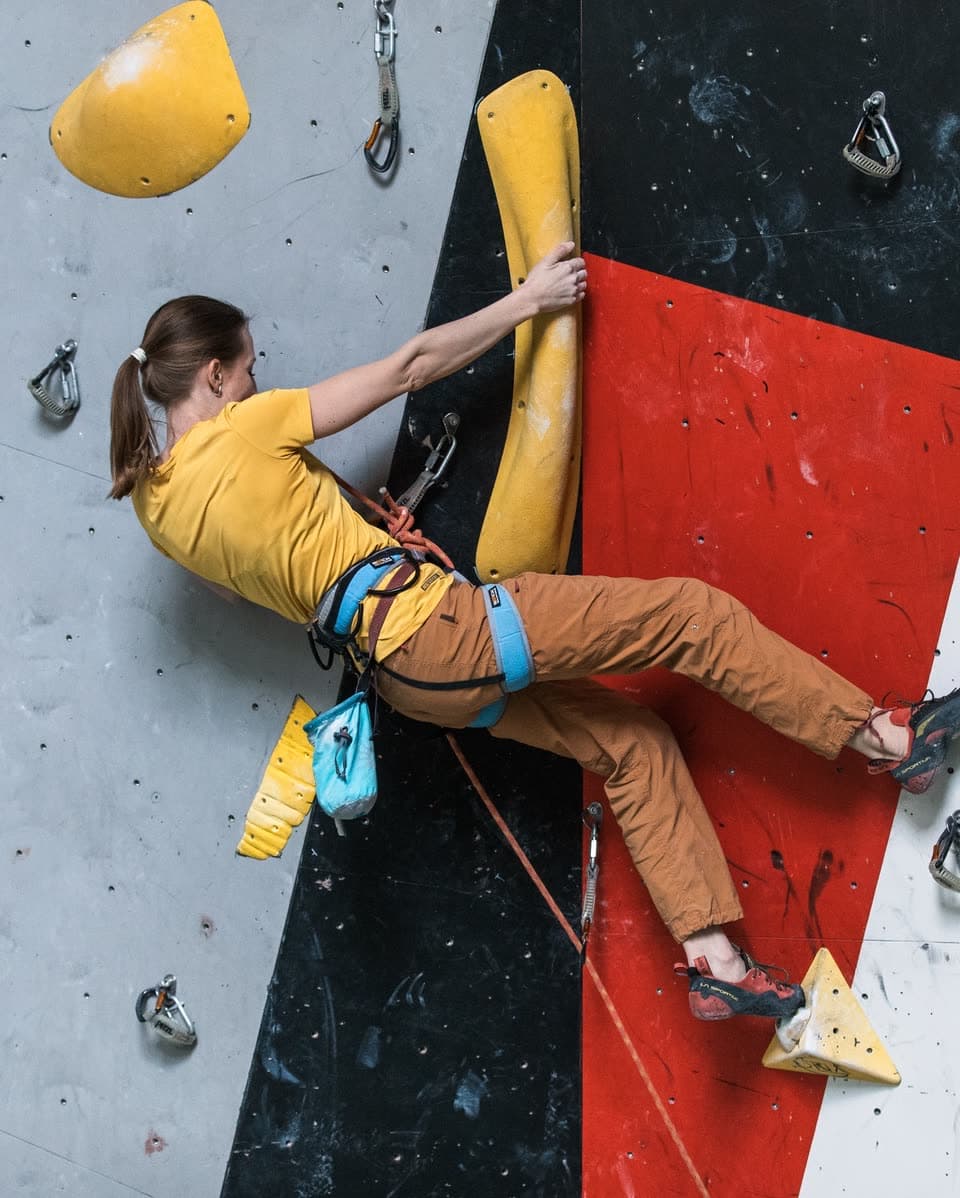
If climbing is your main sport, every session is built around it. If it is one of several, the mix matters even more: a long run the day before a hard session takes from both. The plan balances the load for you.
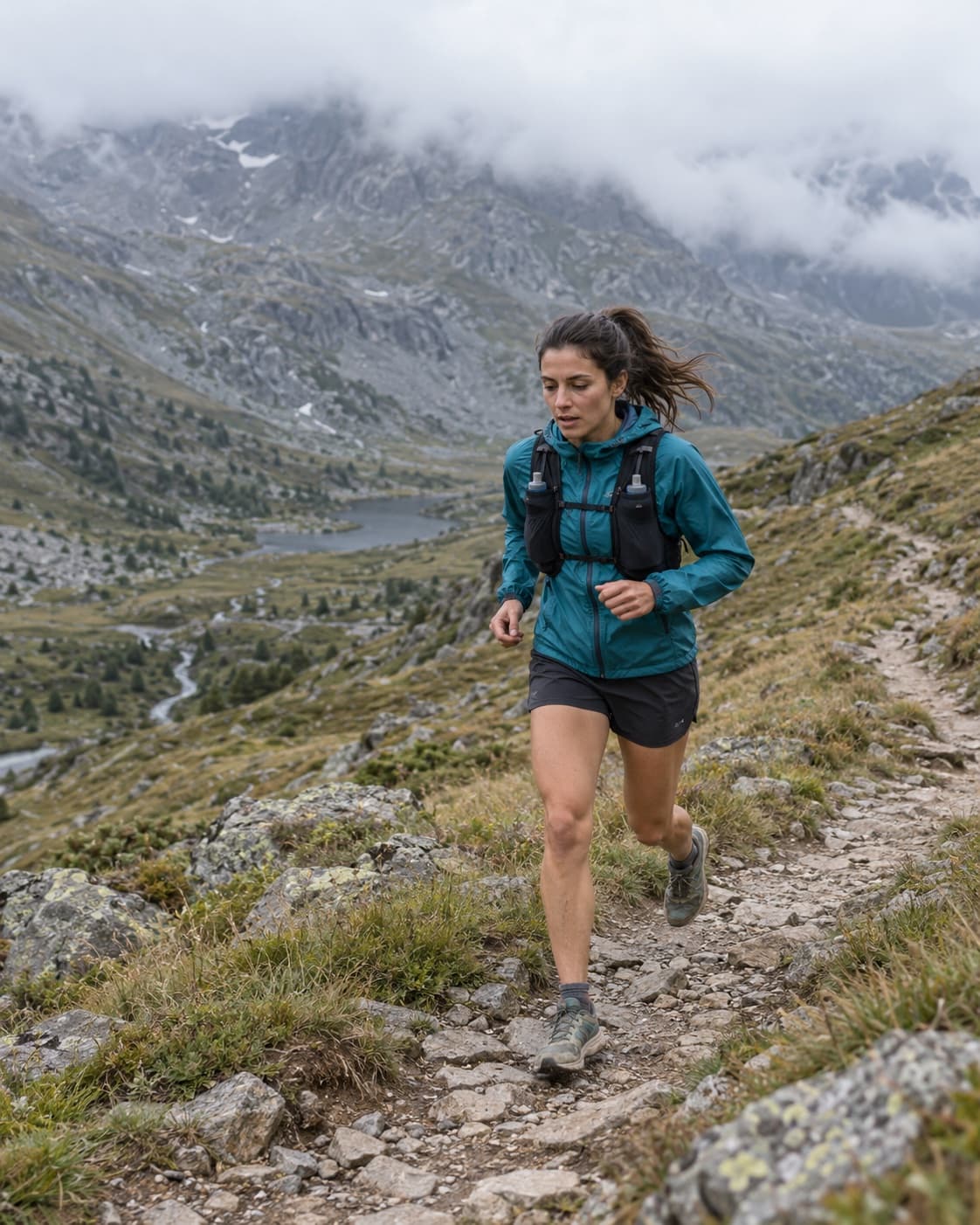
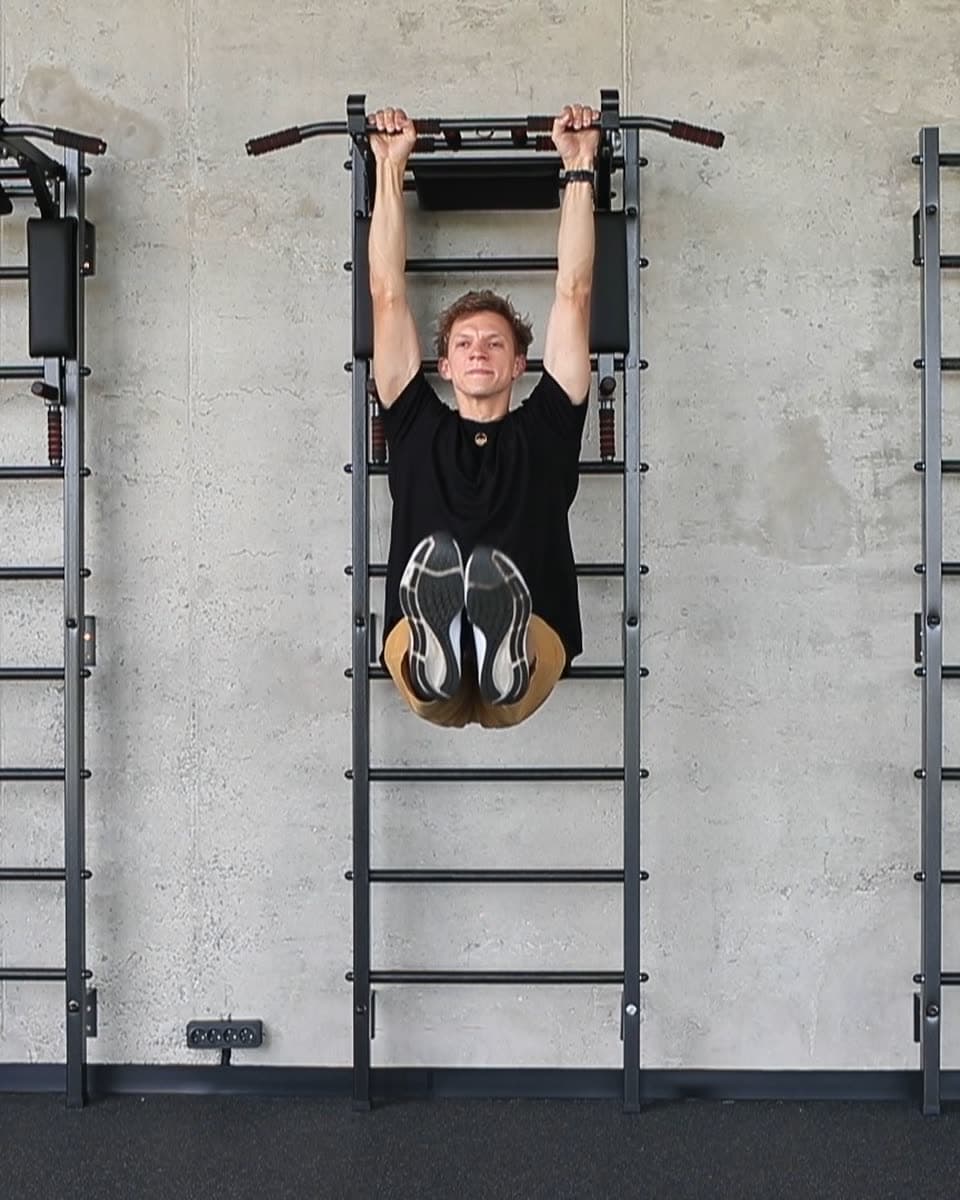
Coach
Ask. Your plan changes.
Write to your coach the way you would text a friend. Get an answer from your plan, and change it in one tap.
Meet your coach.
Your plan comes from an algorithm and sports science. The AI in the chat fits it around your life.
EternaClimbMayaAlexHey, who are you and how does this work?
I'm EternaClimb. An algorithm builds your plan, based on sports science and a coaching method that has taken climbers up to 8b. I'm the AI you chat with. Ask me anything or tell me what's changed, and I'll adjust your plan. The algorithm gets the training right. I make it fit your life.
Only have 30 minutes today.
Kept the pull-ups, they are the main work today. The core block moves to Monday.
Today30 min
Joint warm-up5 minPull-ups with band2 x 8Power pull-ups4 x 4Wrist extensions2 x 12Forearm care3 minCan't get to the gym today. Can I train at home instead?
Sure. Today is still a finger day. The hangboard replaces limit bouldering, and the goal stays the same.
TodayAt home
 Limit bouldering45 min
 Max hangs, 20 mm6 x 10 s
Can you make me a finger session? I'm at home with a hangboard.
Here is a 40 minute session with your plan loads. Warm up well, the max hangs come last.
Fingers at home40 min
 General warm-up3 minHangboard warm-up2 x 6Max hang warm-up3 hangsMax hangs, 20 mm6 x 10 sEasy hangs2 x 4Forearm care3 min
My shoulder feels off after yesterday.
Let's take the load off it for a week: no hard pulling, easy climbing only. I've added three exercises to make it stronger. If the pain gets worse, stop training and see a doctor.
Shoulder care15 min
 Band external rotation3 x 12
 Scapular pull-ups3 x 8
 Face pulls with band3 x 12
Pain getting worse? Stop and see a doctor.
I get scared above the last quickdraw. What do I do?
That's normal, and fear can be trained like strength. Start with the article, then follow the steps.
Fear of falling
Article, 5 min read
- 1Say it out loud: "I'm scared."
- 2Rate the fall: how likely, how hard, what is below.
- 3Decide if it is worth it. Commit, or climb down.
- 4Practice small falls, a bit higher each time.
How do I actually heel hook?
Pull with your heel like a third hand. Toes out, pull smoothly, and your hips come over the heel.
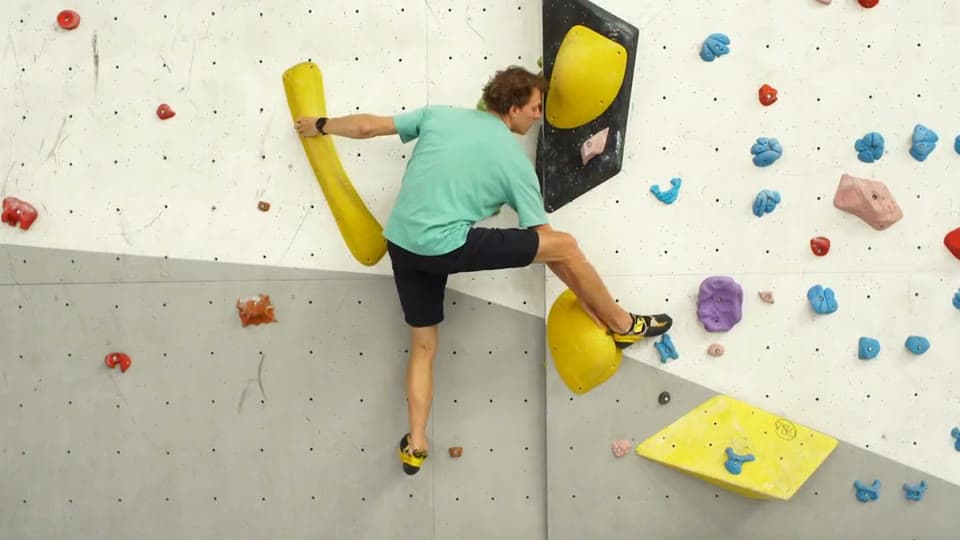
Heel hook
Technique, 3 steps
Eases off when it hurts
Tell it what's sore. The load comes down.
Rebuild today
Less time, other gear, other gym.
Sessions on request
Fingers, strength, mobility.
Alex, for big questions
A real coach reads your log.
Technique
Climb better, not only stronger.
Strength is half of climbing. The other half is how you move. Every technique drill comes with a short video: the move done right, and the mistake that costs you.
Place the heel as carefully as a hand. As much heel on the hold as you can.
Drop it anywhere and hope, and it pops off. The load lands in your arms.
Your task
After your warm-up, find a big hold at waist height. Place the heel, pull, and hold the position.
Session focus
Pull with your heel like a hand
250+ exercises.
Drills for technique, coordination and strength, each with its dose and many with a video.
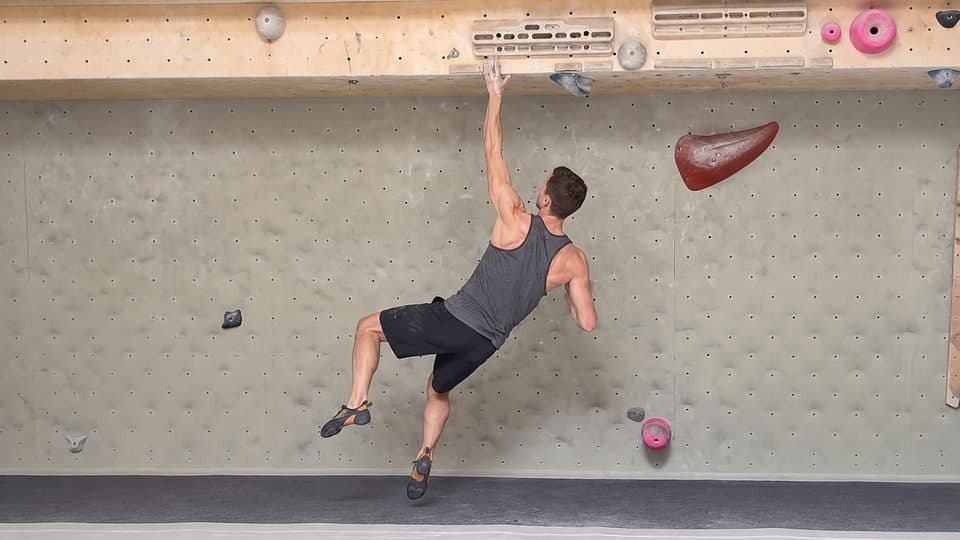 Hangboard
And a library of knowledge.
A guide to the big questions, right in the app.
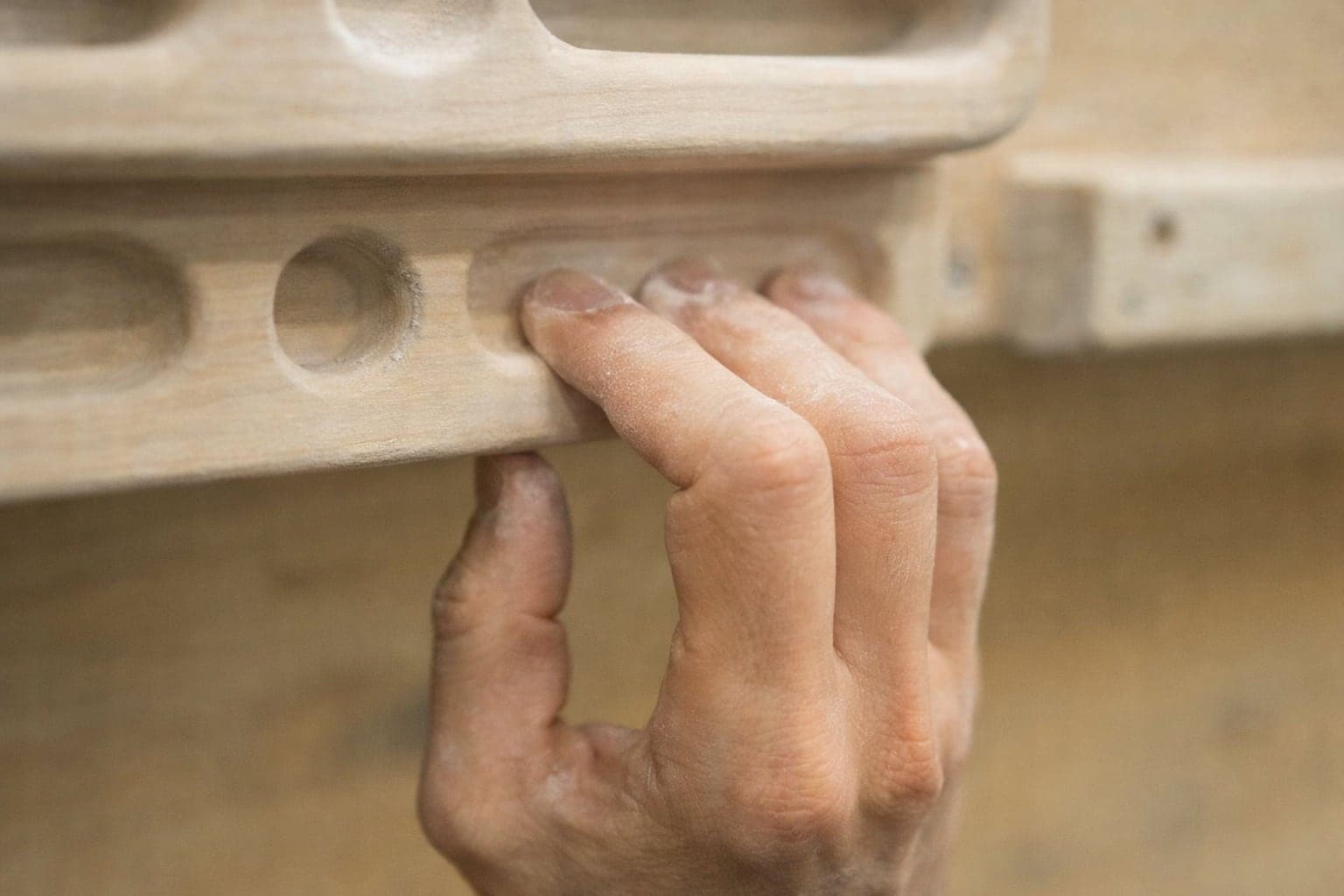
How to get stronger
What to train for fingers and pulling, and how hard.
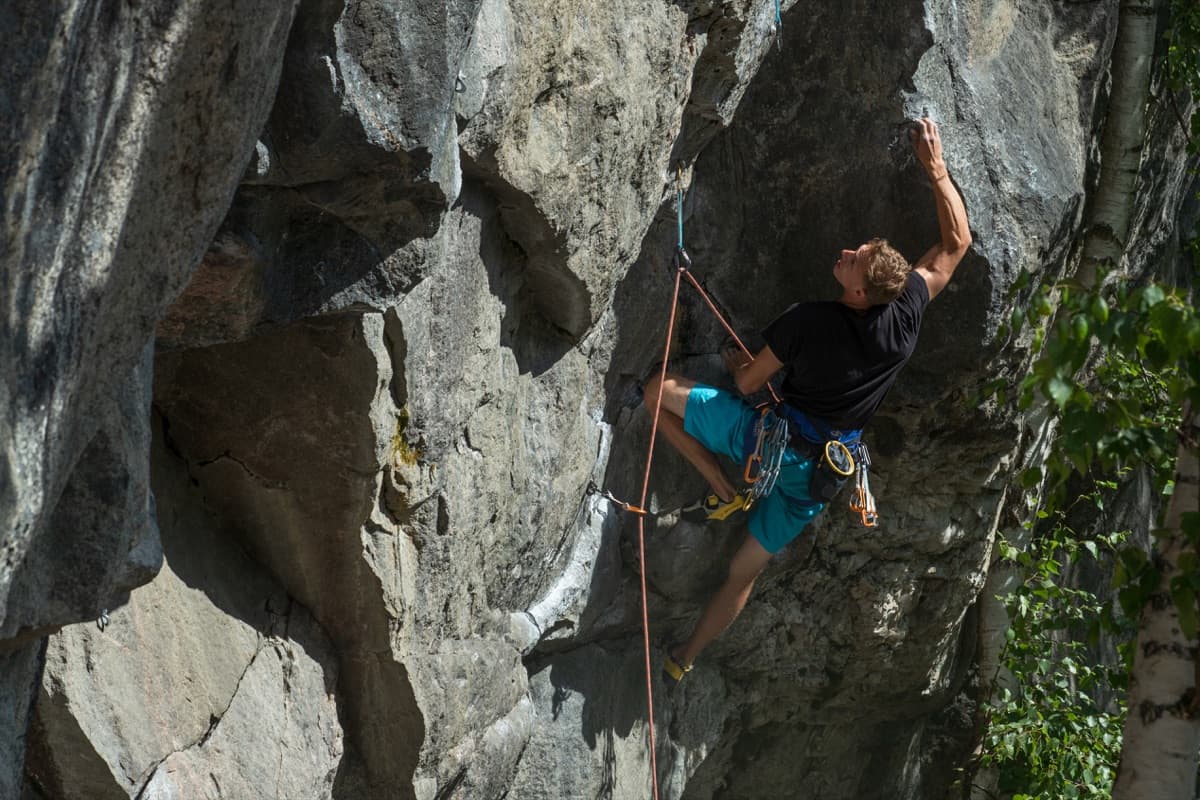
How to build endurance
Last longer on the wall before the pump wins.
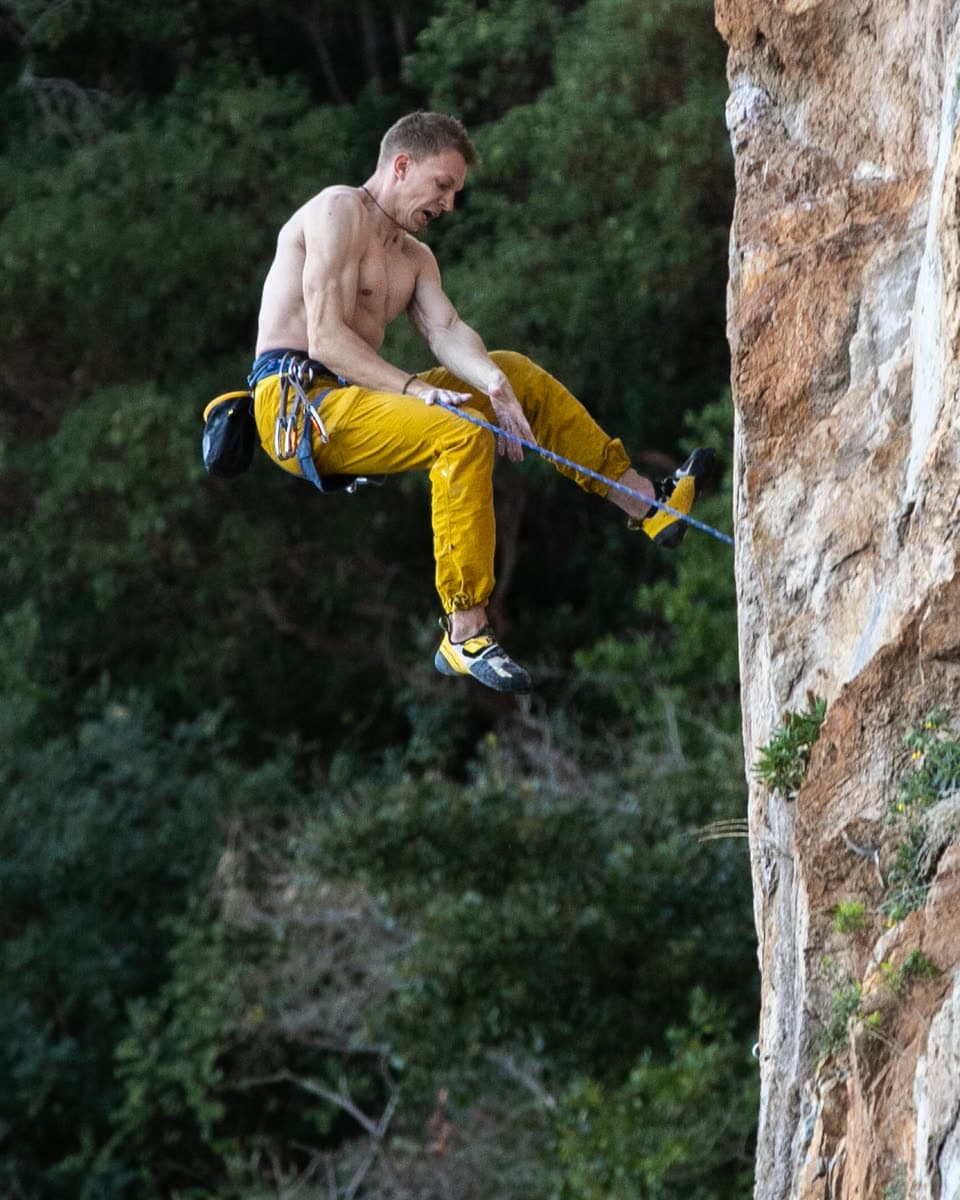
How to deal with fear
Where it comes from and how to work with it.
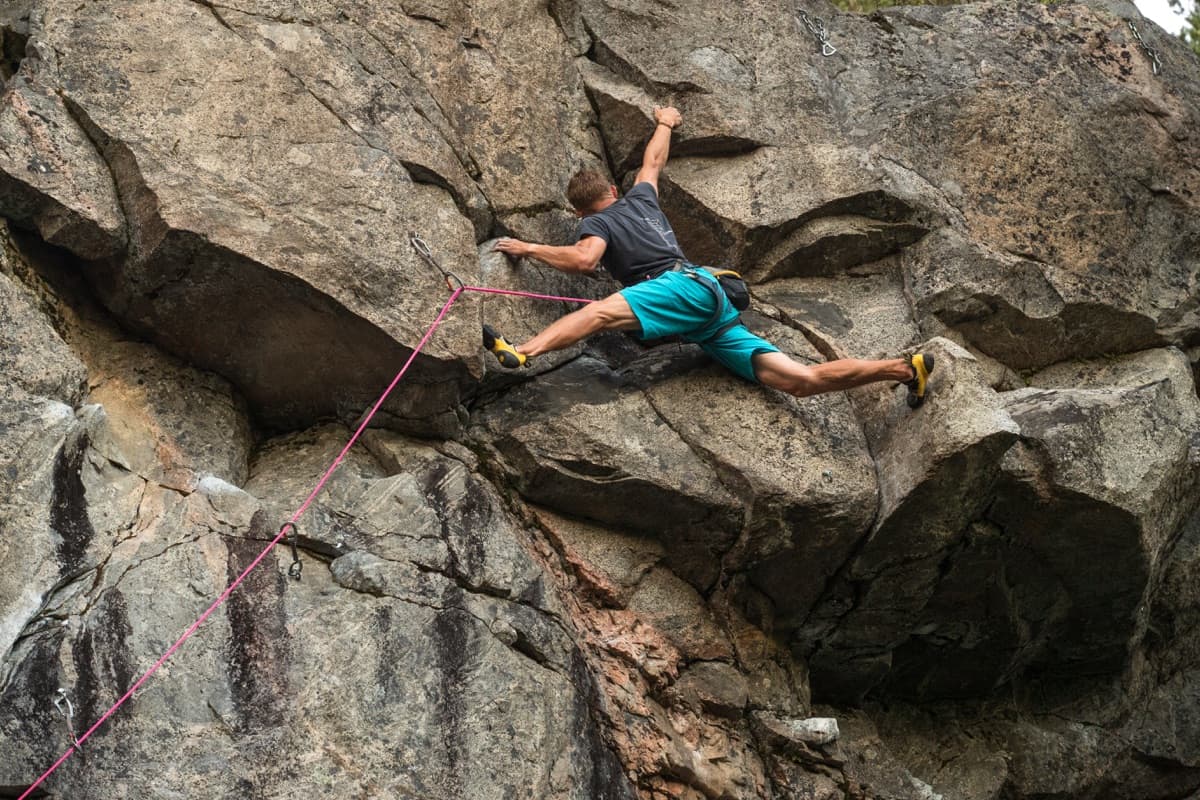
How to move better
Footwork, balance and where your weight goes.
Progress
See yourself get stronger.
Log a quick test every few weeks and your sessions as you go. The numbers show what is working.
Improvement
Example+0%
average across 3 strength tests, in one cycle
Every exercise has progressions
ExamplePull-ups, core, mobility and more. Start where you are, take the next step when this one feels easy.
Pull-ups
- 1Negative pull-ups4 x 3
- 2Pull-ups with band4 x 5
- 3Pull-ups4 x 5
- 4Weighted pull-ups+5 kg
- 5Weighted pull-ups+10 kg
Max hang, 20 mm
Example+0 kg
added on the same edge, week by week
In the app
Everything a session needs.
A timer that knows the session.
Holds, rests and sets are counted for you.
Get ready
Set 2 of 3 · 15 s hold
Rest 1:30 between sets
Check in before you pull.
Tired or sore? The session gets lighter before you start.
How do your fingers feel?
Full load today
Home, gym or both.
Sessions use the gear you actually have.
Log in two taps.
Last time's numbers are right there before every set.
Max hangs · set 3 of 6
+4 kg
10 s
Last time +2 kg
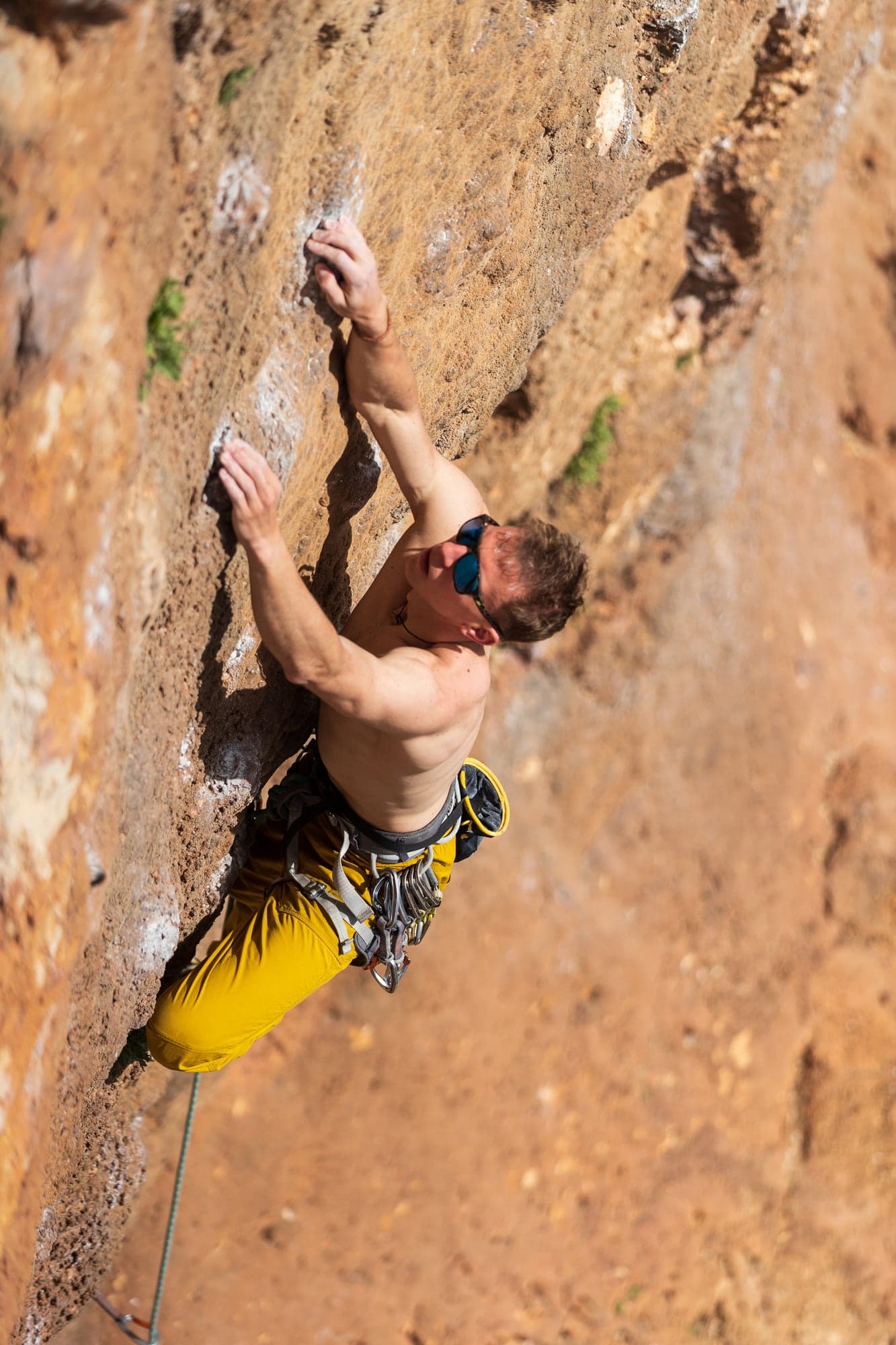
Who is behind it
Built by a climbing coach.
Alex Voit has climbed for 16 years and coached for more than 10. He co-founded a climbing gym and wrote the method your plan runs on. The big questions still go to him.
16
years climbing
8a+
personal best
21,400
climbers through his gym
“I stopped feeling lost at the gym. Every session had a point, and I actually looked forward to training.”
 Emily R.Climbed her first V2 in 4 weeks
“I finally understood how to use my feet and manage my energy. These weeks gave me more than the whole last year.”
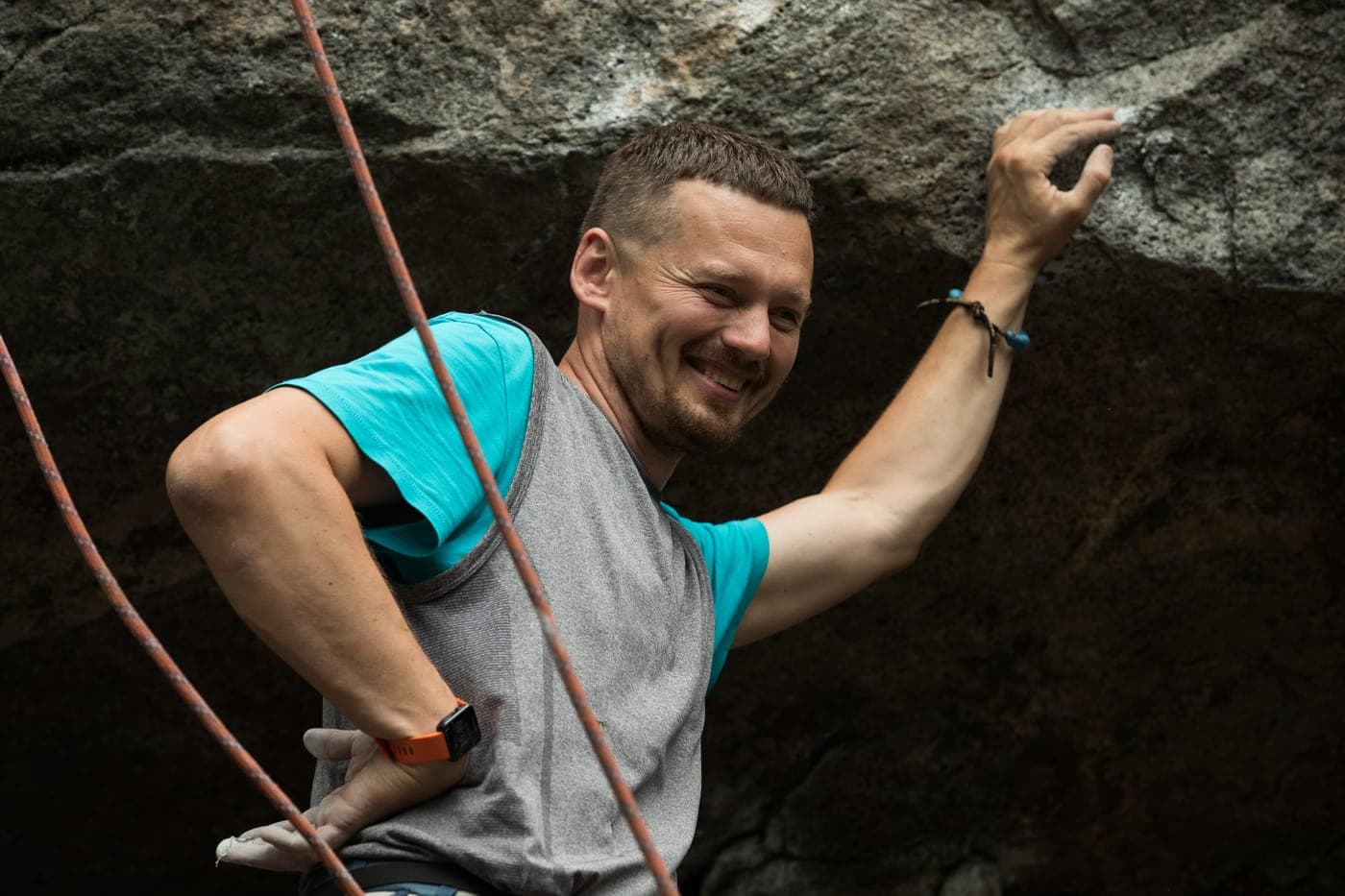 Jonas M.Sent his first V5
“Finally, a program that actually works. I understood what I was training and why, and my sends started reflecting it.”
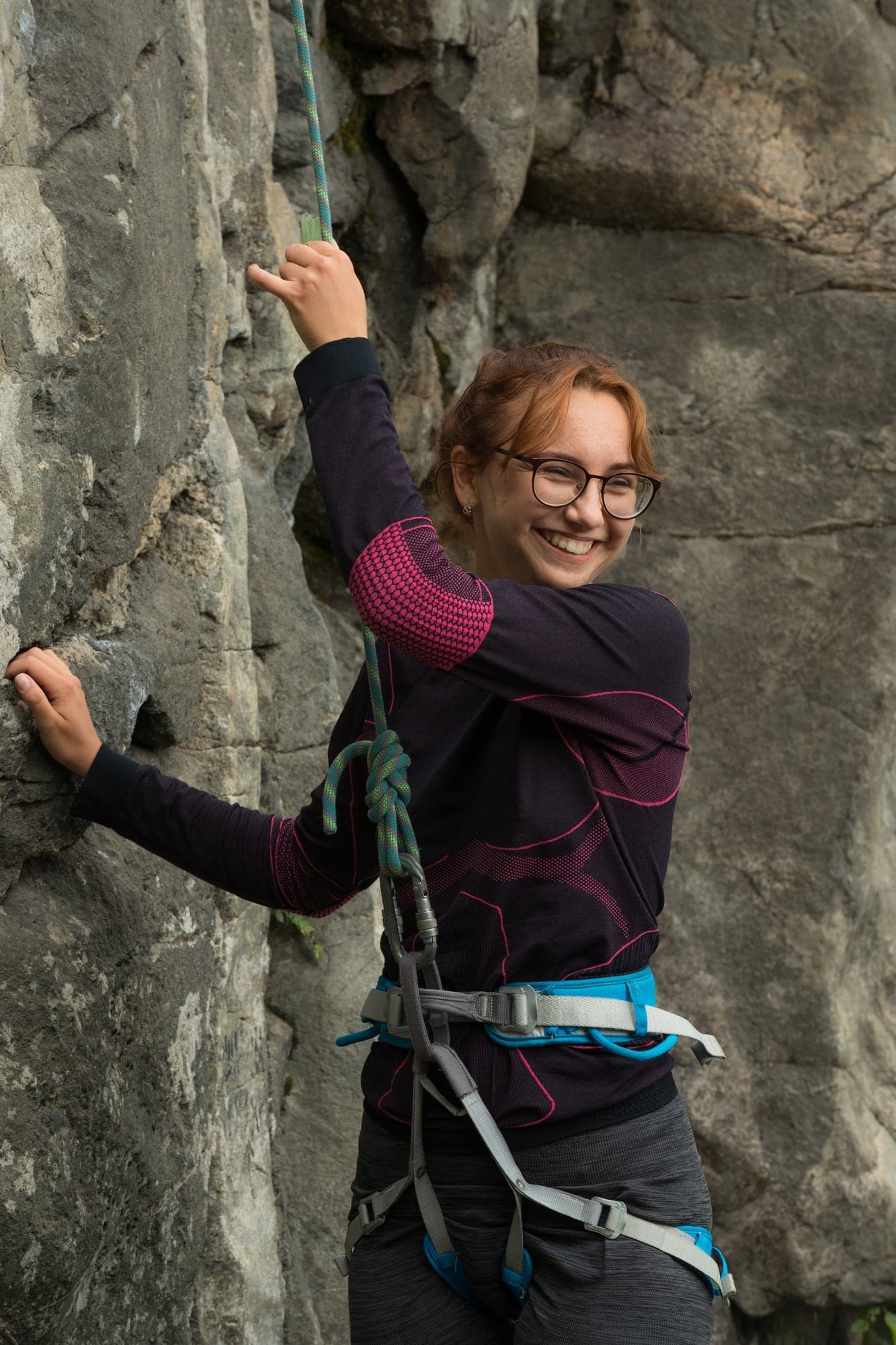 Emma K.Sent her first V6 after 7 weeks
“It pulled me out of a plateau I had been stuck in for months. Every session finally had a purpose.”
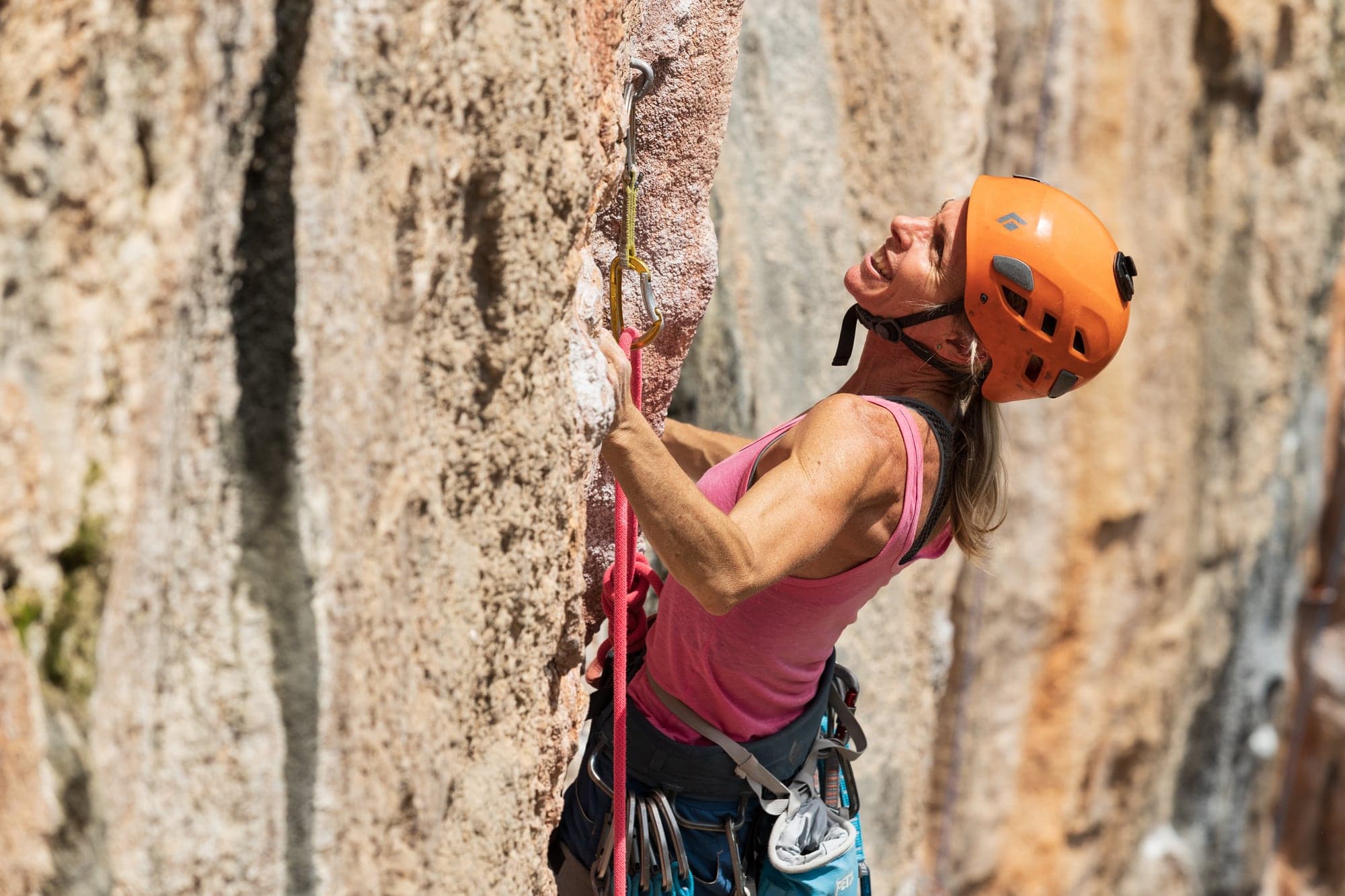 Sofia L.Sent her first 7A+
“Alex noticed the small details no one else pointed out. I got power and control exactly where I lacked it.”
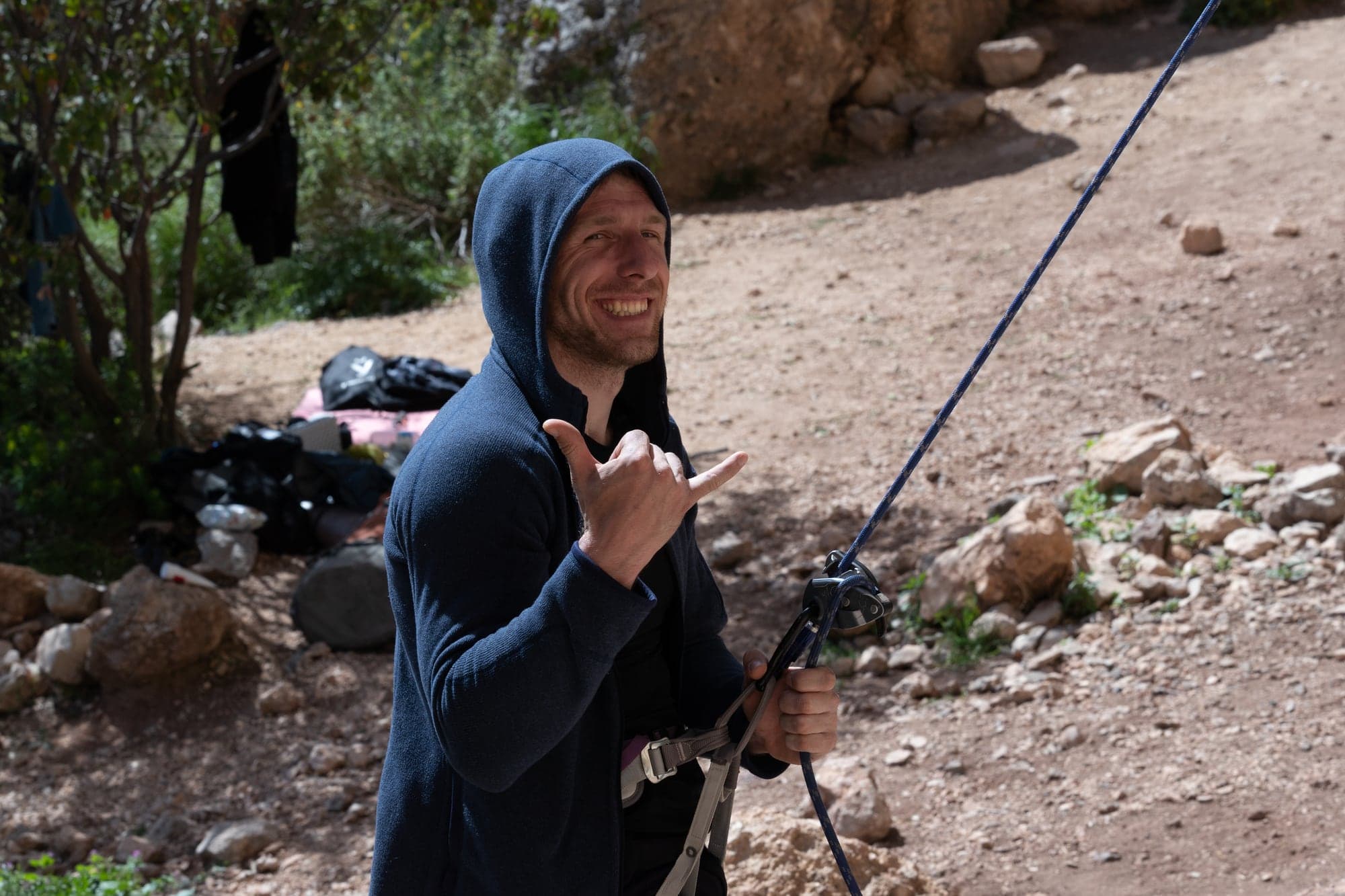 Marco D.Sent 7B+ and touched his first 7C
How it works.
- 1
Tell us how you climb
Grades, days, gear, what hurts. A few minutes.
- 2
Get your plan
Built from your answers, ready to start.
- 3
Train and log
Open today's session, follow it, tap what you did.
- 4
It adapts
Loads, days and weeks change as you go.
Questions.
You answer the quiz - grade, goals, training days, equipment, injury history. The algorithm builds your plan from that: your weak system first, every session sized to the days you actually have. It is ready the moment you finish. When your week changes, the AI coach in the chat moves it with you. The long version is here.
The plan is not written by AI. An algorithm builds it, and it runs on sports science research and 10+ years of coaching climbers - including the thousands who came through our gym - not on data scraped off the internet. AI only lives in the chat: ask it anything, and it fits the plan around your week.
The program starts at your first year on the wall and can take you to 8a, and it changes shape at every level - a beginner gets movement and volume, an experienced climber gets intensity and peaking.
The quiz asks what you climb, and the exercises follow that answer - a boulderer gets boulder work, a rope climber gets routes, nothing forced in from the other side. The plan stays flexible after that: climbing exercises can be swapped between boulder and route versions right in the session. So even if 90% of your climbing is bouldering, on the day you feel like clipping bolts you swap the climbing to routes and the session still trains the same thing.
If you want to progress, training needs consistency - two to three sessions a week is the honest minimum. If right now the goal is just to hold your level, even one gym session plus 15 minutes of exercises or stretching a couple of times a week already does the job. The quiz asks how many days you really have, and the plan is built for that number.
All three. Sessions use the gear you have: a hangboard at home, a board at the gym, or a day at the crag.
The plan is sized to the days and session lengths you give us, not to a fantasy week. Miss a session and you pick up where you left off, nothing restarts from zero.
The week is not locked either. Move a training day when the gym session turns into a home one, or swap an exercise inside the session for one that trains the same thing on a different wall - boulders on the plan, routes in the mood. What the session is for stays the same, only the shape changes.
Health and recovery is one of the five systems the program is built on, and the injury history from your quiz shapes the load from day one. That is also why the load climbs gradually instead of jumping - most tweaks come from doing too much too fast. If something flares up anyway, write in the chat what hurts: the load comes down where it has to, and the rest of the plan keeps going.
It continues. The subscription runs one training cycle after another: when a cycle ends, the next one picks up from where you are by then. If you come back after a long break, it opens with a test week to measure that first.
The first week is free. Then $19.99 a month, or $134.99 a year ($11.25 a month). Cancel anytime - you keep access until the end of the period you paid for. The quiz itself is free - you see your plan and the price before you decide. Full breakdown.
Yes, anytime. You keep access until the end of the period you paid for, and your training history stays with you.
Find your plan.
Start with how you climb today.